How to Become a US Citizen: A Clear, Practical Guide for Immigrants

For immigrants, becoming a US citizen is about much more than paperwork. It is about stability, opportunity, and finally having a full voice in the country you call home. While the naturalization process can feel intimidating at first, knowing the steps involved and getting expert assistance can make your experience more successful.

Current Barriers to Obtaining Citizenship 

Because of current White House administration policies that often seek to deter and persecute immigrants rather than helping them obtain citizenship, the naturalization process is now more challenging than it has been in previous years. Here are some of the current barriers to citizenship for immigrants in the United States.

A Long, Complex, and Costly Process

For most immigrants, the pathway to citizenship involves multiple complex steps, such as establishing lawful permanent residence, meeting eligibility requirements, and navigating the application process, interviews, and tests. These can be time-consuming, complicated, and often expensive.

Stricter “Good Moral Character” Evaluations

US Citizenship and Immigration Services (USCIS) has implemented stricter policies for assessing “good moral character,” a key requirement for naturalization. This could lengthen processing times and give officers greater discretion in denying applications.

More Difficult Citizenship Test Requirements

Recent changes to the civics test required for naturalization have increased the difficulty of the exam and expanded the number of questions applicants must answer, creating a higher bar to pass this core step in the citizenship process.

Policies Affecting Legal Status and Citizenship Access

Broader immigration policy shifts have created obstacles for lawful permanent residency, temporary visas, and access to US citizenship, including slower processing and expanded scrutiny of applicants’ backgrounds.

Each of these factors contributes to a more challenging and uncertain path for immigrants seeking U.S. citizenship.

What Immigrants Can Do

The US government provides clear guidance on the naturalization process, and many community organizations are available to help along the way, including trusted nonprofits such as Michigan United.

How to Apply for US Citizenship

Here’s the step-by-step process for applying to become a US citizen.

Step One: Make Sure You Are Eligible

Before you apply for citizenship, you must confirm that you meet the basic eligibility requirements for naturalization. Most applicants must:

  • Be at least 18 years old
  • Be a lawful permanent resident with a Green Card
  • Have lived in the US as a permanent resident for at least five years, or three years if married to a US citizen
  • Have continuous residence and physical presence in the US
  • Demonstrate good moral character
  • Be able to read, write, and speak basic English, with some exceptions
  • Have adequate knowledge about US history and government

Some applicants may qualify for exemptions or accommodations, including older adults or individuals with certain disabilities.

Step Two: Complete Form N-400

The formal application for citizenship is Form N-400, or the Application for Naturalization. Applicants can file online or submit a paper application by mail.

The form asks for detailed information about your residence history, employment, family, and travel outside the US. U.S. Citizenship and Immigration Services (USCIS) emphasizes accuracy and honesty since inconsistencies can delay processing or lead to additional questions later. Before submitting your form, it helps to gather supporting documents such as copies of your Green Card, tax records, and any relevant marriage or divorce documents.

Step Three: Pay the Application Fee or Request a Waiver

The standard naturalization application fee is several hundred dollars, though exact amounts may change. For example, as of August 2025, it was $760.

If paying the full fee poses a hardship, some applicants may qualify for a fee reduction or waiver based on income or participation in public assistance programs. 

Step Four: Attend Your Biometrics Appointment

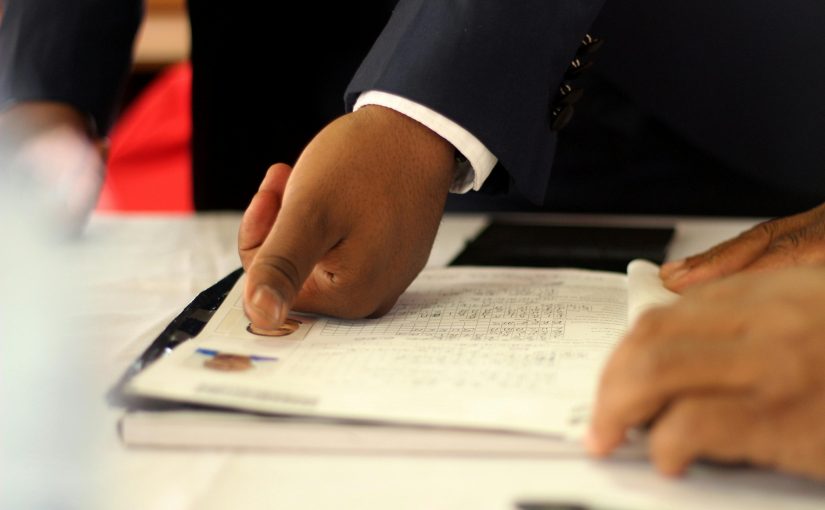
After the USCIS receives your application, you will be scheduled for a biometrics appointment. At this appointment, the USCIS collects fingerprints, photographs, and a signature for background and security checks. This step is routine and usually brief, but it is required before moving forward in the process.  Btw, the photo taken here will be used on your naturalization certificate.

Step Five: Prepare for the Interview and Tests

The naturalization interview is one of the most important steps, so it is important to prepare thoroughly. During the interview, a USCIS officer will review your application and ask questions to confirm your eligibility. You will also take two tests as part of your naturalization exam:

  • An English test covering speaking (no specified test, rather this is covered over the course of the interview), reading (3 opportunities to read a sentence aloud), and writing (3 opportunities to write a dictated sentence)
  • A civics test covering US history and government (the applicant must answer 12 of up to 20 questions correctly; the test ends when the 12th question is answered correctly)

If you do not pass one portion of the test the first time, the USCIS allows a second attempt, which reduces pressure for many applicants. Note: the officer conducting the interview does not make the final decision, only a recommendation.  Some officers will tell you what their recommendation is, others will say, “I cannot make a decision in your case today”.

People who are 50 years old+ AND who have been a lawful permanent resident for 20+ years at the time of filing are exempt from the English and literacy requirements (and do NOT take an equivalent in their own language). The same applies to people who are 55 years old and have been residents for 15 years. These people may also take an interpreter to the interview (family members are not recommended as they may be rejected by the USCIS officer on the basis of ethical conflict).

Also, people who have a chronic physical, mental or developmental disability can have their doctor or psychologist complete form N-648 explaining how they are incapable of learning English or the civics test.  This is very difficult to obtain, and does not apply to an applicant merely because they have high blood pressure or a broken leg.

Step Six: Receive a Decision and Take the Oath

After the interview, the USCIS will issue a decision. If approved, the final step is attending a naturalization ceremony and taking the Oath of Allegiance, at which point immigrants officially become US citizens. Once the oath is complete, new citizens receive a Certificate of Naturalization and gain full rights, including voting and eligibility for certain federal jobs.

How to Get Help 

While it is possible to apply for citizenship on your own, many immigrants choose to work with nonprofits that offer legal services, citizenship classes, and application support. These organizations help applicants understand requirements, avoid common mistakes, and feel confident walking into interviews and tests.

Michigan United is a strong example of this community-based support. Through its legal services and citizenship classes, the organization helps immigrants prepare applications, study for civics exams, and navigate the naturalization process with clarity and dignity. For immigrants who want trusted guidance and culturally responsive support, nonprofit citizenship programs can turn a complex process into a manageable, empowering journey toward full participation in American civic life.

Get Help Becoming a US Citizen With Michigan United

Michigan United is a broad, statewide coalition working to reform our broken health care and immigration systems, protect our environment, end mass incarceration, and make essential services accessible to all. 

Our citizenship classes are at the heart of our mission. Our team is dedicated to helping immigrants obtain citizenship, affording them essential rights and protections enjoyed by US citizens.

Through our citizenship classes and English classes, we equip adult immigrants with the knowledge and skills necessary to pass the naturalization exam. By doing so, we aim to help them secure full US citizenship so they can access valuable rights and protections such as voting, federal job opportunities, retirement security, education options, and active participation in civic life.

Join us in our quest to create a more just and inclusive society for all. You can do this in whichever way works best for you. You can also join us as a Michigan United member or donate today!
Raise Your Voice: Why Michiganders Should Attend Capitol Day in 2026

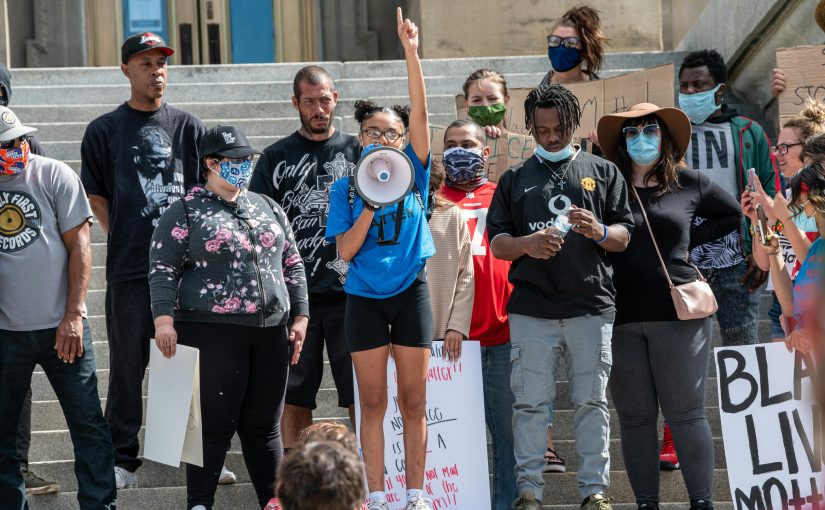
Every year in April, people gather in Lansing, Michigan to make their voices heard at the state’s center of government. Capitol Day is a statewide event that brings Michigan residents together to speak directly with lawmakers, connect with community leaders, and advocate for policies that affect their daily lives. In 2026, Capitol Day is on April 29.

Capitol Day is more than just a rally or a meeting. It’s a hands-on experience in civic engagement that helps everyday people participate in shaping Michigan’s future.

Organized by Michigan United and partner organizations, the event will include a full day of activities at the Michigan state capitol building, typically running from morning through late afternoon. Participants travel from across the state to take part in the event, and organizers frequently provide transportation from major cities such as Detroit, Grand Rapids, Flint, and Saginaw to ensure people from many communities can attend.

The goal is simple but powerful: to ensure that the voices of ordinary Michiganders are heard in the halls where their state laws and policies are made.

What Happens on Capitol Day

Capitol Day combines education, organizing, and direct advocacy. Throughout the day, Michigan voters learn about key policy issues and engage in activities designed to strengthen civic participation.

Typical elements of the event include:

  • Meetings with state lawmakers. Participants have the opportunity to speak directly with legislators about the issues affecting their communities.
  • Policy-related speeches and storytelling. Youth leaders, organizers, and community members share personal experiences that highlight why certain policies matter.
  • A large public rally. The rally at the Capitol demonstrates unity and collective support for key causes.
  • Networking and coalition-building. Residents from different parts of the state connect with each other and build relationships that strengthen future advocacy efforts.

These activities allow participants to see how their government works firsthand while actively participating in the democratic process.

Key Issues to Address on Capitol Day

While the specific agenda may vary from year to year, Capitol Day typically focuses on policies that impact economic opportunity, public health, and democratic participation.

Examples of issues frequently highlighted include:

These topics reflect concerns that affect communities throughout Michigan. By raising these issues collectively, participants help to ensure that policymakers understand how government decisions affect everyday residents.

The Vital Role of Community Organizing in a Functional Democracy

Capitol Day is closely connected to the broader practice of community organizing. Community organizing involves bringing people together to identify shared problems, build collective power, and take action for change.

Rather than relying only on elected officials or institutions to solve problems, organizing encourages communities to take an active role in shaping policies that affect them. Grassroots advocacy can address issues such as housing affordability, access to healthcare, environmental protection, voting rights, and more.

Community organizing also helps develop new leaders. By participating in campaigns, meetings, and public demonstrations, residents learn how to communicate with their neighbors and policymakers to advocate effectively for their communities. Events like Capitol Day provide a powerful platform for these grassroots efforts, bringing together hundreds of people who share the goal of creating positive change across the state.

Why Civic Participation Matters In Michigan

Democracy works best when people actively participate in it. Civic engagement empowers residents to influence decisions that shape their schools, healthcare systems, workplaces, and communities.

Advocates emphasize that civic participation includes more than voting. It should involve attending public meetings, organizing neighbors, contacting elected officials, and participating in demonstrations or advocacy days like Capitol Day. These actions help ensure that government policies reflect the needs and experiences of the people they serve.

When residents participate in the policymaking process, they help strengthen democratic institutions and hold leaders accountable for the decisions they make.

Why Michiganders Should Register to Attend

Capitol Day provides a rare opportunity for residents to interact directly with the people who make state policy. Attending allows participants to:

  • Speak directly with decision-makers. Conversations with lawmakers give residents the chance to share personal stories and community concerns.
  • Build connections with advocates across the state. Meeting people from other cities and neighborhoods strengthens statewide collaboration.
  • Learn how Michigan’s government works. Participants gain insight into the legislative process and how policy decisions are made.
  • Demonstrate collective community power. Large gatherings show lawmakers that many residents care deeply about the issues being discussed.

Most importantly, attending Capitol Day reminds participants that democracy depends on active participation. Community organizing helps transform individual voices into collective influence capable of shaping policy and creating lasting change.

A Chance to Make Your Voice Heard

For many people, it can feel difficult to influence government decisions. Capitol Day offers a clear path for doing exactly that. By gathering in Lansing with neighbors, advocates, and community leaders, Michiganders can demonstrate that ordinary residents still have the power to shape their state’s future.

Registering to attend Capitol Day is not just about showing up for one event. It is about taking part in larger movement-building to ensure that Michigan’s policies reflect the needs, experiences, and hopes of the people who call the state home.

Join Michigan United on Capitol Day

Michigan United is a broad, statewide coalition working to reform our broken healthcare and immigration systems, protect our environment, end mass incarceration, and make essential services accessible to all. 

On Wednesday, April 29, we’re not just showing up in Lansing. We’re sending a message from the working class to the halls of corporate power: We see what you’re doing, and we’re fighting back.

Across the country and here in Michigan, the attacks are escalating — on our freedoms, our schools, our paychecks, our healthcare, and our very democracy. While billionaires and lobbyists write the rules, working people are left to pick up the pieces. That ends now.

Capitol Day 2026 is a statewide demonstration of people power. Michigan United, Reproductive Freedom for All Michigan, and a statewide coalition are bringing the fight to the Capitol with a full day of collective resistance from 9 am to 5 pm. Coalition members are: ACLU Michigan, Black Voters Matter, Fems for Democracy, Michigan Chamber of Reproductive Justice, The Michigan Coalition on Black Civic Participation, Michigan League of Conservation Voters, Michigan League for Public Policy, Michigan Voices, Our Own Wall Street, Planned Parenthood Advocates of Michigan, Project Uplift, and the Voting Access for All Coalition.

We’re demanding reproductive freedom, universal healthcare, corporate accountability, and a tax system that works for the people — not the rich.

Free transportation from Detroit, Grand Rapids, Flint, and Saginaw will get you there. Register today!

Questions? Reach out to edillon@miunited.org. We’ll see you there!

Why Environmental Justice Is a Public Health and Civil Rights Issue

The phrase “environmental justice” might sound like a strange, abstract concept, but for millions of people, it shows up in very real ways each day. It shapes the quality of the air we breathe, the water that comes out of our taps, and the safety of the neighborhoods we call home. Understanding environmental justice helps explain why some communities face greater environmental risks than others and why addressing those gaps is essential for public health, fairness, and long-term resilience.

What Is Environmental Justice?

Environmental justice refers to the principle that all people deserve equal protection from environmental harms as well as equal access to healthy, safe places to live, work, and play. It focuses on communities that have historically faced higher exposure to pollution and environmental hazards while also having less political and economic power to prevent or address those risks.

Environmental justice is not only about environmental conditions themselves but also about who benefits from environmental protection and who bears the burden of environmental damage. Decisions about where highways are built, where industrial facilities operate, and how waste is managed have long-lasting consequences for nearby residents, particularly when those residents have limited influence over policy decisions.

Understanding the Environmental Justice Movement and Why It Matters

The environmental justice movement emerged in response to these inequities. The movement gained national attention in the 1980s when communities of color began organizing against the disproportionate siting of toxic waste facilities in their neighborhoods. Since then, the movement has expanded to include environmental justice issues such as climate change, access to clean water, air quality, and safe housing.

Research from the University of Michigan emphasizes that environmental injustice often overlaps with economic and racial inequality. Communities facing environmental hazards are more likely to experience higher rates of asthma, heart disease, and other chronic health conditions as well as economic barriers that make relocation or remediation difficult.

Environmental justice is important because it recognizes that environmental protection concerns are also public health and civil rights concerns. When the most vulnerable communities are overburdened by pollution, the impacts can affect generations through long-term health consequences, reduced educational outcomes, and limited economic opportunity. Addressing environmental justice helps ensure that environmental benefits and protections are shared equitably across society.

Environmental Justice Challenges in Michigan

The state of Michigan offers a clear example of how environmental injustice can develop over time and why it remains a pressing concern. The state’s industrial history has left many communities dealing with persistent environmental hazards that disproportionately impact low-income communities and communities of color.

Toxic Industrial Pollution

Michigan has a long history of industrial activity, particularly in manufacturing and automotive production. Many socially and economically disadvantaged communities have been exposed to hazardous substances from factories, landfills, and legacy pollution sites. These exposures increase risks for respiratory illness, cancer, and other serious health problems.

Water Contamination and Infrastructure Failures

The notorious Flint water crisis remains one of the most widely recognized examples of environmental racism in the United States. Decisions made without community input led to lead-contaminated drinking water, exposing residents to severe health risks and long-term consequences that persist today. While the Flint crisis is often discussed as a single event, similar infrastructure challenges continue to affect other Michigan communities.

Waste and Hazardous Material Disposal

Michigan has been described as a dumping ground for waste from other states and even other countries. The Sierra Club of Michigan reports that communities are pushing back against proposals that would increase hazardous waste disposal and radioactive material storage, often in areas already burdened by pollution. These sites are frequently located near marginalized communities with limited political leverage.

Climate Change Impacts on Vulnerable Communities

Some Michigan cities have been labeled climate havens due to their access to fresh water and relatively mild weather. However, recent reporting highlights that these communities are still vulnerable to flooding, extreme heat, and infrastructure strain. Climate-related risks tend to hit lower-income neighborhoods harder due to older housing, aging power infrastructure, political corruption among utilities, limited green space, and fewer resources for adaptation.

Together, these issues illustrate how environmental harms are rarely isolated problems. They intersect with housing, transportation, public health, and economic inequality, reinforcing long-standing disparities across Michigan.

Supporting Environmental Justice Through Community Action

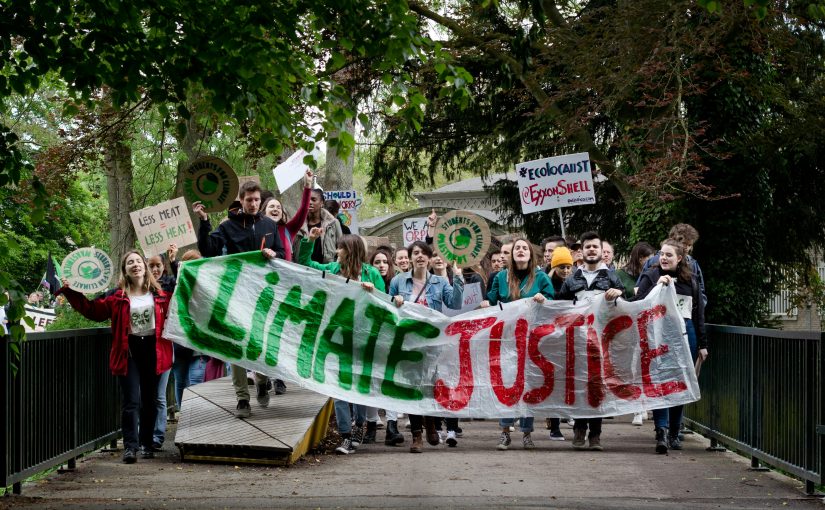
Improving environmental justice requires collective action at the local, state, and national levels. For Michiganders and for all Americans, getting involved with social justice organizations is one of the most effective ways to create meaningful change.

Michigan United works with communities across the state to address environmental injustice alongside broader issues such as housing, workers’ rights, and civic engagement. Through its initiatives, Michigan United supports grassroots organizing, policy advocacy, and community education. These work to reduce pollution, protect public health, and ensure that impacted residents have a voice in decision-making.

By engaging with nonprofits that center community leadership and systemic change, individuals can help push for cleaner air and water, stronger environmental protections, and a more equitable future. 

Achieve Environmental Justice for All With Michigan United

Michigan United is a broad, statewide coalition working to reform our broken health care and immigration systems, protect our environment, end mass incarceration, and make essential services accessible to all. To build that kind of power, we need to organize 3.5% of the state’s population, starting with you.

We’re at a critical moment in our nation’s history as we prepare to confront the troubling realities of the current White House administration. Working families are under attack — from Lansing to D.C. — and we’re fighting back. If you’re wondering what you can do, Michigan United is here for you. We have campaigns in place to protect Michiganders from all forms of injustice, which means you can make a difference in all the areas that matter to you, right here, all in one place.

As a member of Project 3.5, you’ll gain the listening, communication, and planning skills to become an effective advocate for the people in your neighborhood. This is your chance to become the leader you’ve always wanted to see. Join us in our quest to create a more just and inclusive society for all.

You can do this in whichever way works best for you. You can also join us as a Michigan United member or donate today!