
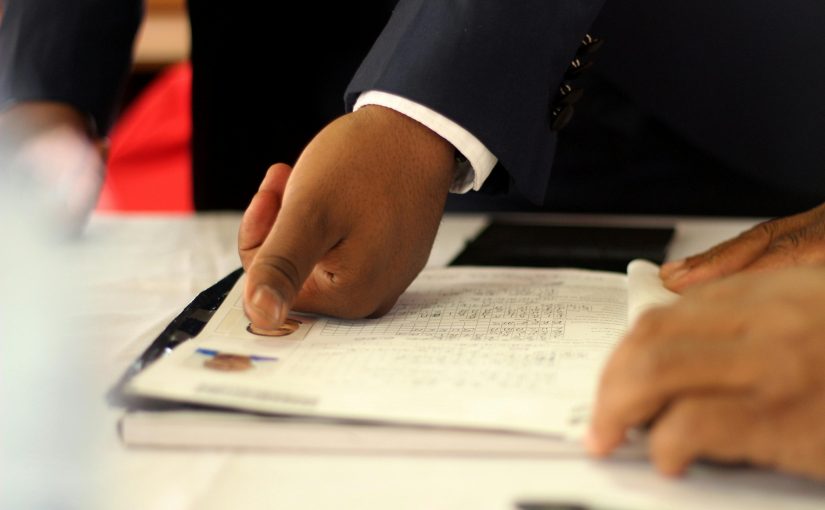
For immigrants, becoming a US citizen is about much more than paperwork. It is about stability, opportunity, and finally having a full voice in the country you call home. While the naturalization process can feel intimidating at first, knowing the steps involved and getting expert assistance can make your experience more successful.
Current Barriers to Obtaining Citizenship
Because of current White House administration policies that often seek to deter and persecute immigrants rather than helping them obtain citizenship, the naturalization process is now more challenging than it has been in previous years. Here are some of the current barriers to citizenship for immigrants in the United States.
A Long, Complex, and Costly Process
For most immigrants, the pathway to citizenship involves multiple complex steps, such as establishing lawful permanent residence, meeting eligibility requirements, and navigating the application process, interviews, and tests. These can be time-consuming, complicated, and often expensive.
Stricter “Good Moral Character” Evaluations
US Citizenship and Immigration Services (USCIS) has implemented stricter policies for assessing “good moral character,” a key requirement for naturalization. This could lengthen processing times and give officers greater discretion in denying applications.
More Difficult Citizenship Test Requirements
Recent changes to the civics test required for naturalization have increased the difficulty of the exam and expanded the number of questions applicants must answer, creating a higher bar to pass this core step in the citizenship process.
Policies Affecting Legal Status and Citizenship Access
Broader immigration policy shifts have created obstacles for lawful permanent residency, temporary visas, and access to US citizenship, including slower processing and expanded scrutiny of applicants’ backgrounds.
Each of these factors contributes to a more challenging and uncertain path for immigrants seeking U.S. citizenship.
What Immigrants Can Do
The US government provides clear guidance on the naturalization process, and many community organizations are available to help along the way, including trusted nonprofits such as Michigan United.
How to Apply for US Citizenship
Here’s the step-by-step process for applying to become a US citizen.
Step One: Make Sure You Are Eligible
Before you apply for citizenship, you must confirm that you meet the basic eligibility requirements for naturalization. Most applicants must:
- Be at least 18 years old
- Be a lawful permanent resident with a Green Card
- Have lived in the US as a permanent resident for at least five years, or three years if married to a US citizen
- Have continuous residence and physical presence in the US
- Demonstrate good moral character
- Be able to read, write, and speak basic English, with some exceptions
- Have adequate knowledge about US history and government
Some applicants may qualify for exemptions or accommodations, including older adults or individuals with certain disabilities.
Step Two: Complete Form N-400
The formal application for citizenship is Form N-400, or the Application for Naturalization. Applicants can file online or submit a paper application by mail.
The form asks for detailed information about your residence history, employment, family, and travel outside the US. U.S. Citizenship and Immigration Services (USCIS) emphasizes accuracy and honesty since inconsistencies can delay processing or lead to additional questions later. Before submitting your form, it helps to gather supporting documents such as copies of your Green Card, tax records, and any relevant marriage or divorce documents.
Step Three: Pay the Application Fee or Request a Waiver
The standard naturalization application fee is several hundred dollars, though exact amounts may change. For example, as of August 2025, it was $760.
If paying the full fee poses a hardship, some applicants may qualify for a fee reduction or waiver based on income or participation in public assistance programs.
Step Four: Attend Your Biometrics Appointment
After the USCIS receives your application, you will be scheduled for a biometrics appointment. At this appointment, the USCIS collects fingerprints, photographs, and a signature for background and security checks. This step is routine and usually brief, but it is required before moving forward in the process. Btw, the photo taken here will be used on your naturalization certificate.
Step Five: Prepare for the Interview and Tests
The naturalization interview is one of the most important steps, so it is important to prepare thoroughly. During the interview, a USCIS officer will review your application and ask questions to confirm your eligibility. You will also take two tests as part of your naturalization exam:
- An English test covering speaking (no specified test, rather this is covered over the course of the interview), reading (3 opportunities to read a sentence aloud), and writing (3 opportunities to write a dictated sentence)
- A civics test covering US history and government (the applicant must answer 12 of up to 20 questions correctly; the test ends when the 12th question is answered correctly)
If you do not pass one portion of the test the first time, the USCIS allows a second attempt, which reduces pressure for many applicants. Note: the officer conducting the interview does not make the final decision, only a recommendation. Some officers will tell you what their recommendation is, others will say, “I cannot make a decision in your case today”.
People who are 50 years old+ AND who have been a lawful permanent resident for 20+ years at the time of filing are exempt from the English and literacy requirements (and do NOT take an equivalent in their own language). The same applies to people who are 55 years old and have been residents for 15 years. These people may also take an interpreter to the interview (family members are not recommended as they may be rejected by the USCIS officer on the basis of ethical conflict).
Also, people who have a chronic physical, mental or developmental disability can have their doctor or psychologist complete form N-648 explaining how they are incapable of learning English or the civics test. This is very difficult to obtain, and does not apply to an applicant merely because they have high blood pressure or a broken leg.
Step Six: Receive a Decision and Take the Oath
After the interview, the USCIS will issue a decision. If approved, the final step is attending a naturalization ceremony and taking the Oath of Allegiance, at which point immigrants officially become US citizens. Once the oath is complete, new citizens receive a Certificate of Naturalization and gain full rights, including voting and eligibility for certain federal jobs.
How to Get Help
While it is possible to apply for citizenship on your own, many immigrants choose to work with nonprofits that offer mga serbisyong legal, citizenship classes, and application support. These organizations help applicants understand requirements, avoid common mistakes, and feel confident walking into interviews and tests.
Michigan United is a strong example of this community-based support. Through its legal services and citizenship classes, the organization helps immigrants prepare applications, study for civics exams, and navigate the naturalization process with clarity and dignity. For immigrants who want trusted guidance and culturally responsive support, nonprofit citizenship programs can turn a complex process into a manageable, empowering journey toward full participation in American civic life.
Get Help Becoming a US Citizen With Michigan United
Michigan United is a broad, statewide coalition working to reform our broken health care and immigration systems, protect our environment, end mass incarceration, and make essential services accessible to all.
Our citizenship classes are at the heart of our mission. Our team is dedicated to helping immigrants obtain citizenship, affording them essential rights and protections enjoyed by US citizens.
Through our citizenship classes and English classes, we equip adult immigrants with the knowledge and skills necessary to pass the naturalization exam. By doing so, we aim to help them secure full US citizenship so they can access valuable rights and protections such as voting, federal job opportunities, retirement security, education options, and active participation in civic life.
Join us in our quest to create a more just and inclusive society for all. You can do this in whichever way works best for you. You can also join us as a Michigan United member or donate today!
 English
  Spanish
  Arabic
  Chinese
  Korean
  Vietnamese
  Bengali
  Urdu
Urdu  Tagalog
  Hindi
Hindi