
미국 시민권자가 되는 방법: 이민자를 위한 명확하고 실용적인 가이드

For immigrants, becoming a US citizen is about much more than paperwork. It is about stability, opportunity, and finally having a full voice in the country you call home. While the naturalization process can feel intimidating at first, knowing the steps involved and getting expert assistance can make your experience more successful.

현재 시민권 취득에 대한 장벽 

Because of current White House administration policies that often seek to deter and persecute immigrants rather than helping them obtain citizenship, the naturalization process is now more challenging than it has been in previous years. Here are some of the current barriers to citizenship for immigrants in the United States.

길고 복잡하며 비용이 많이 드는 프로세스

대부분의 이민자가 시민권을 취득하려면 합법적인 영주권을 취득하고 자격 요건을 충족하며 신청 절차, 인터뷰 및 시험을 통과하는 등 여러 복잡한 단계를 거쳐야 합니다. 이러한 절차는 시간이 오래 걸리고 복잡하며 비용도 많이 들 수 있습니다.

더 엄격한 “좋은 도덕적 품성” 평가

US Citizenship and Immigration Services (USCIS) has implemented stricter policies for assessing “good moral character,” a key requirement for naturalization. This could lengthen processing times and give officers greater discretion in denying applications.

더 까다로워진 시민권 시험 요건

Recent changes to the civics test required for naturalization have increased the difficulty of the exam and expanded the number of questions applicants must answer, creating a higher bar to pass this core step in the citizenship process.

법적 지위 및 시민권 액세스에 영향을 미치는 정책

광범위한 이민 정책의 변화로 인해 합법적인 영주권, 임시 비자, 미국 시민권 취득에 있어 처리 속도가 느려지고 신청자의 배경에 대한 조사가 확대되는 등 장애물이 발생하고 있습니다.

이러한 각 요소는 미국 시민권을 취득하려는 이민자들에게 더 어렵고 불확실한 길을 열어줍니다.

이민자가 할 수 있는 일

The US government provides clear guidance on the naturalization process, and many community organizations are available to help along the way, including trusted nonprofits such as 미시간 유나이티드.

미국 시민권 신청 방법

Here’s the step-by-step process for applying to become a US citizen.

1단계: 자격이 되는지 확인

Before you apply for citizenship, you must confirm that you meet the basic eligibility requirements for naturalization. Most applicants must:

  • 만 18세 이상이어야 합니다.
  • 영주권을 소지한 합법적인 영주권자이어야 합니다.
  • 미국에서 영주권자로 5년 이상(미국 시민권자와 결혼한 경우 3년) 거주한 경력이 있어야 합니다.
  • 미국에 지속적으로 거주하고 물리적으로 존재해야 합니다.
  • 좋은 도덕적 품성 보여주기
  • 일부 예외를 제외하고 기본적인 영어를 읽고, 쓰고, 말할 수 있어야 합니다.
  • 미국 역사 및 정부에 대한 충분한 지식 보유

고령자나 특정 장애가 있는 개인 등 일부 신청자는 면제 또는 편의를 제공받을 자격이 있을 수 있습니다.

2단계: N-400 양식 작성

The formal application for citizenship is Form N-400, or the Application for Naturalization. Applicants can file online or submit a paper application by mail.

이 양식은 회원님의 거주 이력, 고용, 가족, 미국 외 여행에 대한 자세한 정보를 요청합니다. 미국 시민권 및 이민 서비스(USCIS)는 정확성과 정직성을 강조하는데, 일관성이 없으면 처리가 지연되거나 나중에 추가 질문이 이어질 수 있기 때문입니다. 양식을 제출하기 전에 영주권 사본, 세금 기록, 관련 결혼 또는 이혼 서류와 같은 증빙 서류를 수집하는 것이 도움이 됩니다.

3단계: 신청 수수료 납부 또는 면제 요청하기

표준 귀화 신청 수수료는 수백 달러이지만 정확한 금액은 변경될 수 있습니다. 예를 들어, 2025년 8월 현재 $760입니다.

If paying the full fee poses a hardship, some applicants may qualify for a fee reduction or waiver based on income or participation in public assistance programs. 

4단계: 생체 인식 예약에 참석하기

After the USCIS receives your application, you will be scheduled for a biometrics appointment. At this appointment, the USCIS collects fingerprints, photographs, and a signature for background and security checks. This step is routine and usually brief, but it is required before moving forward in the process.  Btw, the photo taken here will be used on your naturalization certificate.

5단계: 인터뷰 및 시험 준비

The naturalization interview is one of the most important steps, so it is important to prepare thoroughly. During the interview, a USCIS officer will review your application and ask questions to confirm your eligibility. You will also take two tests as part of your naturalization exam:

  • 영어 시험은 말하기(특정 시험 없이 면접 과정에서 다루어짐), 읽기(문장을 소리 내어 읽을 수 있는 3번의 기회), 쓰기(받아쓰기 3번의 기회)로 구성됩니다.
  • 미국 역사와 정부를 다루는 시민 시험(최대 20문항 중 12문항을 정답으로 맞혀야 하며, 12번째 문항에 정답을 맞히면 시험이 종료됨)

If you do not pass one portion of the test the first time, the USCIS allows a second attempt, which reduces pressure for many applicants. Note: the officer conducting the interview does not make the final decision, only a recommendation.  Some officers will tell you what their recommendation is, others will say, “I cannot make a decision in your case today”.

People who are 50 years old+ AND who have been a lawful permanent resident for 20+ years at the time of filing are exempt from the English and literacy requirements (and do NOT take an equivalent in their own language). The same applies to people who are 55 years old and have been residents for 15 years. These people may also take an interpreter to the interview (family members are not recommended as they may be rejected by the USCIS officer on the basis of ethical conflict).

Also, people who have a chronic physical, mental or developmental disability can have their doctor or psychologist complete form N-648 explaining how they are incapable of learning English or the civics test.  This is very difficult to obtain, and does not apply to an applicant merely because they have high blood pressure or a broken leg.

6단계: 결정서 수령 및 선서하기

After the interview, the USCIS will issue a decision. If approved, the final step is attending a naturalization ceremony and taking the Oath of Allegiance, at which point immigrants officially become US citizens. Once the oath is complete, new citizens receive a Certificate of Naturalization and gain full rights, including voting and eligibility for certain federal jobs.

도움을 받는 방법 

While it is possible to apply for citizenship on your own, many immigrants choose to work with nonprofits that offer 법률 서비스, citizenship classes, and application support. These organizations help applicants understand requirements, avoid common mistakes, and feel confident walking into interviews and tests.

미시간 유나이티드는 이러한 커뮤니티 기반 지원의 좋은 예입니다. 이 단체는 법률 서비스와 시민권 수업을 통해 이민자들이 신청서를 준비하고, 시민권 시험을 공부하고, 명확하고 품위 있게 귀화 절차를 밟을 수 있도록 돕습니다. 신뢰할 수 있는 안내와 문화에 맞는 지원을 원하는 이민자에게 비영리 시민권 프로그램은 복잡한 절차를 관리하기 쉽고 미국 시민 생활에 완전히 참여할 수 있도록 힘을 실어주는 여정으로 바꿀 수 있습니다.

미시간 유나이티드와 함께 미국 시민이 되는 데 도움 받기

미시간 유나이티드 is a broad, statewide coalition working to reform our broken health care and immigration systems, protect our environment, end mass incarceration, and make essential services accessible to all. 

Our citizenship classes are at the heart of our mission. Our team is dedicated to helping immigrants obtain citizenship, affording them essential rights and protections enjoyed by US citizens.

Through our citizenship classes and English classes, we equip adult immigrants with the knowledge and skills necessary to pass the naturalization exam. By doing so, we aim to help them secure full US citizenship so they can access valuable rights and protections such as voting, federal job opportunities, retirement security, education options, and active participation in civic life.

Join us in our quest to create a more just and inclusive society for all. You can do this in whichever way works best for you. You can also join us as a Michigan United member or donate today!

Why Environmental Justice Is a Public Health and Civil Rights Issue

The phrase “environmental justice” might sound like a strange, abstract concept, but for millions of people, it shows up in very real ways each day. It shapes the quality of the air we breathe, the water that comes out of our taps, and the safety of the neighborhoods we call home. Understanding environmental justice helps explain why some communities face greater environmental risks than others and why addressing those gaps is essential for public health, fairness, and long-term resilience.

What Is Environmental Justice?

Environmental justice refers to the principle that all people deserve equal protection from environmental harms as well as equal access to healthy, safe places to live, work, and play. It focuses on communities that have historically faced higher exposure to pollution and environmental hazards while also having less political and economic power to prevent or address those risks.

Environmental justice is not only about environmental conditions themselves but also about who benefits from environmental protection and who bears the burden of environmental damage. Decisions about where highways are built, where industrial facilities operate, and how waste is managed have long-lasting consequences for nearby residents, particularly when those residents have limited influence over policy decisions.

Understanding the Environmental Justice Movement and Why It Matters

The environmental justice movement emerged in response to these inequities. The movement gained national attention in the 1980s when communities of color began organizing against the disproportionate siting of toxic waste facilities in their neighborhoods. Since then, the movement has expanded to include environmental justice issues such as climate change, access to clean water, air quality, and safe housing.

Research from the University of Michigan emphasizes that environmental injustice often overlaps with economic and racial inequality. Communities facing environmental hazards are more likely to experience higher rates of asthma, heart disease, and other chronic health conditions as well as economic barriers that make relocation or remediation difficult.

Environmental justice is important because it recognizes that environmental protection concerns are also public health and civil rights concerns. When the most vulnerable communities are overburdened by pollution, the impacts can affect generations through long-term health consequences, reduced educational outcomes, and limited economic opportunity. Addressing environmental justice helps ensure that environmental benefits and protections are shared equitably across society.

Environmental Justice Challenges in Michigan

The state of Michigan offers a clear example of how environmental injustice can develop over time and why it remains a pressing concern. The state’s industrial history has left many communities dealing with persistent environmental hazards that disproportionately impact low-income communities and communities of color.

Toxic Industrial Pollution

Michigan has a long history of industrial activity, particularly in manufacturing and automotive production. Many socially and economically disadvantaged communities have been exposed to hazardous substances from factories, landfills, and legacy pollution sites. These exposures increase risks for respiratory illness, cancer, and other serious health problems.

Water Contamination and Infrastructure Failures

The notorious Flint water crisis remains one of the most widely recognized examples of environmental racism in the United States. Decisions made without community input led to lead-contaminated drinking water, exposing residents to severe health risks and long-term consequences that persist today. While the Flint crisis is often discussed as a single event, similar infrastructure challenges continue to affect other Michigan communities.

Waste and Hazardous Material Disposal

Michigan has been described as a dumping ground for waste from other states and even other countries. The Sierra Club of Michigan reports that communities are pushing back against proposals that would increase hazardous waste disposal and radioactive material storage, often in areas already burdened by pollution. These sites are frequently located near marginalized communities with limited political leverage.

Climate Change Impacts on Vulnerable Communities

Some Michigan cities have been labeled climate havens due to their access to fresh water and relatively mild weather. However, recent reporting highlights that these communities are still vulnerable to flooding, extreme heat, and infrastructure strain. Climate-related risks tend to hit lower-income neighborhoods harder due to older housing, aging power infrastructure, political corruption among utilities, limited green space, and fewer resources for adaptation.

Together, these issues illustrate how environmental harms are rarely isolated problems. They intersect with housing, transportation, public health, and economic inequality, reinforcing long-standing disparities across Michigan.

Supporting Environmental Justice Through Community Action

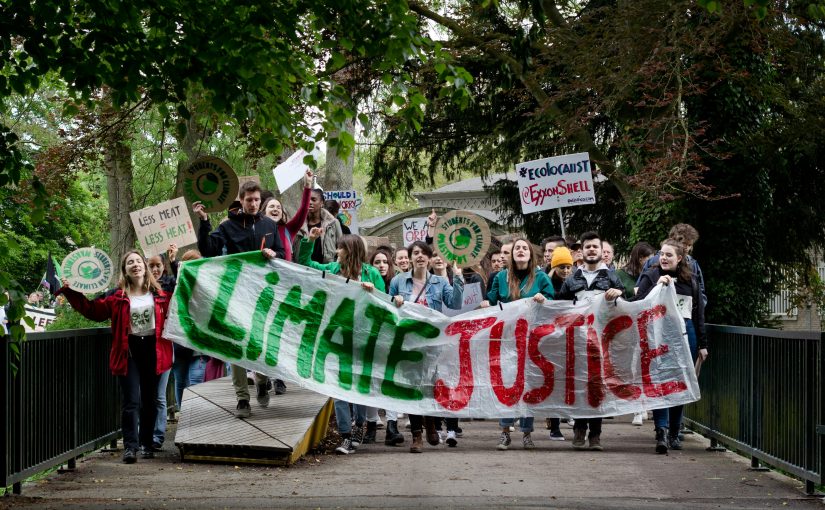
Improving environmental justice requires collective action at the local, state, and national levels. For Michiganders and for all Americans, getting involved with social justice organizations is one of the most effective ways to create meaningful change.

미시간 유나이티드 works with communities across the state to address environmental injustice alongside broader issues such as housing, workers’ rights, and civic engagement. Through its initiatives, Michigan United supports grassroots organizing, policy advocacy, and community education. These work to reduce pollution, protect public health, and ensure that impacted residents have a voice in decision-making.

By engaging with nonprofits that center community leadership and systemic change, individuals can help push for cleaner air and water, stronger environmental protections, and a more equitable future. 

Achieve Environmental Justice for All With Michigan United

미시간 유나이티드 is a broad, statewide coalition working to reform our broken health care and immigration systems, protect our environment, end mass incarceration, and make essential services accessible to all. To build that kind of power, we need to organize 3.5% of the state’s population, starting with you.

We’re at a critical moment in our nation’s history as we prepare to confront the troubling realities of the current White House administration. Working families are under attack — from Lansing to D.C. — and we’re fighting back. If you’re wondering what you can do, Michigan United is here for you. We have campaigns in place to protect Michiganders from all forms of injustice, which means you can make a difference in all the areas that matter to you, right here, all in one place.

As a member of 프로젝트 3.5, you’ll gain the listening, communication, and planning skills to become an effective advocate for the people in your neighborhood. This is your chance to become the leader you’ve always wanted to see. Join us in our quest to create a more just and inclusive society for all.

You can do this in whichever way works best for you. You can also join us as a Michigan United member or donate today!