The phrase “environmental justice” might sound like a strange, abstract concept, but for millions of people, it shows up in very real ways each day. It shapes the quality of the air we breathe, the water that comes out of our taps, and the safety of the neighborhoods we call home. Understanding environmental justice helps explain why some communities face greater environmental risks than others and why addressing those gaps is essential for public health, fairness, and long-term resilience.
What Is Environmental Justice?
Environmental justice refers to the principle that all people deserve equal protection from environmental harms as well as equal access to healthy, safe places to live, work, and play. It focuses on communities that have historically faced higher exposure to pollution and environmental hazards while also having less political and economic power to prevent or address those risks.
Environmental justice is not only about environmental conditions themselves but also about who benefits from environmental protection and who bears the burden of environmental damage. Decisions about where highways are built, where industrial facilities operate, and how waste is managed have long-lasting consequences for nearby residents, particularly when those residents have limited influence over policy decisions.
Understanding the Environmental Justice Movement and Why It Matters
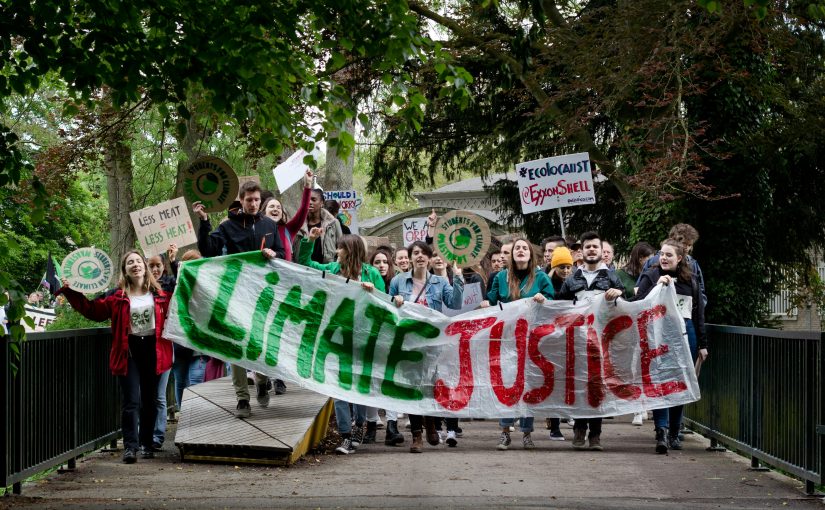
إن environmental justice movement emerged in response to these inequities. The movement gained national attention in the 1980s when communities of color began organizing against the disproportionate siting of toxic waste facilities in their neighborhoods. Since then, the movement has expanded to include environmental justice issues such as climate change, access to clean water, air quality, and safe housing.
Research from the University of Michigan emphasizes that environmental injustice often overlaps with economic and racial inequality. Communities facing environmental hazards are more likely to experience higher rates of asthma, heart disease, and other chronic health conditions as well as economic barriers that make relocation or remediation difficult.
Environmental justice is important because it recognizes that environmental protection concerns are also public health and civil rights concerns. When the most vulnerable communities are overburdened by pollution, the impacts can affect generations through long-term health consequences, reduced educational outcomes, and limited economic opportunity. Addressing environmental justice helps ensure that environmental benefits and protections are shared equitably across society.
Environmental Justice Challenges in Michigan
The state of Michigan offers a clear example of how environmental injustice can develop over time and why it remains a pressing concern. The state’s industrial history has left many communities dealing with persistent environmental hazards that disproportionately impact low-income communities and communities of color.
Toxic Industrial Pollution
Michigan has a long history of industrial activity, particularly in manufacturing and automotive production. Many socially and economically disadvantaged communities have been exposed to hazardous substances from factories, landfills, and legacy pollution sites. These exposures increase risks for respiratory illness, cancer, and other serious health problems.
Water Contamination and Infrastructure Failures
The notorious Flint water crisis remains one of the most widely recognized examples of environmental racism in the United States. Decisions made without community input led to lead-contaminated drinking water, exposing residents to severe health risks and long-term consequences that persist today. While the Flint crisis is often discussed as a single event, similar infrastructure challenges continue to affect other Michigan communities.
Waste and Hazardous Material Disposal
Michigan has been described as a dumping ground for waste from other states and even other countries. The Sierra Club of Michigan reports that communities are pushing back against proposals that would increase hazardous waste disposal and radioactive material storage, often in areas already burdened by pollution. These sites are frequently located near marginalized communities with limited political leverage.
Climate Change Impacts on Vulnerable Communities
Some Michigan cities have been labeled climate havens due to their access to fresh water and relatively mild weather. However, recent reporting highlights that these communities are still vulnerable to flooding, extreme heat, and infrastructure strain. Climate-related risks tend to hit lower-income neighborhoods harder due to older housing, aging power infrastructure, political corruption among utilities, limited green space, and fewer resources for adaptation.
Together, these issues illustrate how environmental harms are rarely isolated problems. They intersect with housing, transportation, public health, and economic inequality, reinforcing long-standing disparities across Michigan.
Supporting Environmental Justice Through Community Action
Improving environmental justice requires collective action at the local, state, and national levels. For Michiganders and for all Americans, getting involved with social justice organizations is one of the most effective ways to create meaningful change.
ميشيغان المتحدة works with communities across the state to address environmental injustice alongside broader issues such as housing, workers’ rights, and civic engagement. Through its initiatives, Michigan United supports grassroots organizing, policy advocacy, and community education. These work to reduce pollution, protect public health, and ensure that impacted residents have a voice in decision-making.
By engaging with nonprofits that center community leadership and systemic change, individuals can help push for cleaner air and water, stronger environmental protections, and a more equitable future.
Achieve Environmental Justice for All With Michigan United
ميشيغان المتحدة is a broad, statewide coalition working to reform our broken health care and immigration systems, protect our environment, end mass incarceration, and make essential services accessible to all. To build that kind of power, we need to organize 3.5% of the state’s population, starting with you.
We’re at a critical moment in our nation’s history as we prepare to confront the troubling realities of the current White House administration. Working families are under attack — from Lansing to D.C. — and we’re fighting back. If you’re wondering what you can do, Michigan United is here for you. We have campaigns in place to protect Michiganders from all forms of injustice, which means you can make a difference in all the areas that matter to you, right here, all in one place.
As a member of المشروع 3.5, you’ll gain the listening, communication, and planning skills to become an effective advocate for the people in your neighborhood. This is your chance to become the leader you’ve always wanted to see. Join us in our quest to create a more just and inclusive society for all.
You can do this in whichever way works best for you. You can also join us as a Michigan United member or donate today!
 English
  Spanish
  Arabic
  Chinese
  Korean
  Vietnamese
  Bengali
  Urdu
Urdu  Tagalog
  Hindi
Hindi