
Regulating AI in Michigan: What is “Best Practice” for Legislation?

An app to compare existing bills to what's working best now

We built this app because “AI legislation” is starting to show up in statehouses as a grab bag of worries—power, water, secrecy, and who gets stuck with the bill. Instead of arguing about vibes, the app turns a policy question into a simple checklist you can actually use: What’s the problem? What’s the trigger? Who’s responsible? What paperwork exists? How is it enforced? In other words, it helps you quickly tell the difference between a law that sounds strong and a law that can be implemented Monday morning.

Five checkboxes for effective legislation

The tool gives you a high-level overview plus a “best-practice” five-pillar check you can run on any proposal:

  1. scope + thresholds
  2. measurable reporting
  3. transparency with sensible confidentiality
  4. enforcement with real consequences
  5. and cost allocation (“who pays?”)

Applied to real Michigan situations

Then it applies that same lens to Michigan’s SB 761 / SB 762 / SB 763—showing where they line up with best practice, where they’re fuzzy (like unclear definitions and hard-to-audit metrics), and where they offer practical, Michigan-realistic fixes you can copy into amendments or testimony.

It’s meant for people who want to read bills fast, ask better questions, and push policy toward outcomes—not headlines.

Tap here for the 12-page report this app was created from.

Help us become the best source of better information.

Donate your money, time or both to Michigan United

Join the 3.5 percent moving Michigan forward. Become a member to build people power in your community. Donate to turn that power into real wins in housing, immigration, and economic dignity.

JOIN

DONATE

Recent News & Media

  • All
  • Detroit
  • Election Protection
  • Statewide
  • Blog
  • Movement Politics
  • Project 3.5
  • Eastern Michigan
  • Flint
  • Transformative Justice
  • Ann Arbor
  • Healthcare
  • News & Media
  • Taking Back Our Power
  • Environmental Justice
{{brizy_dc_image_alt entityId=
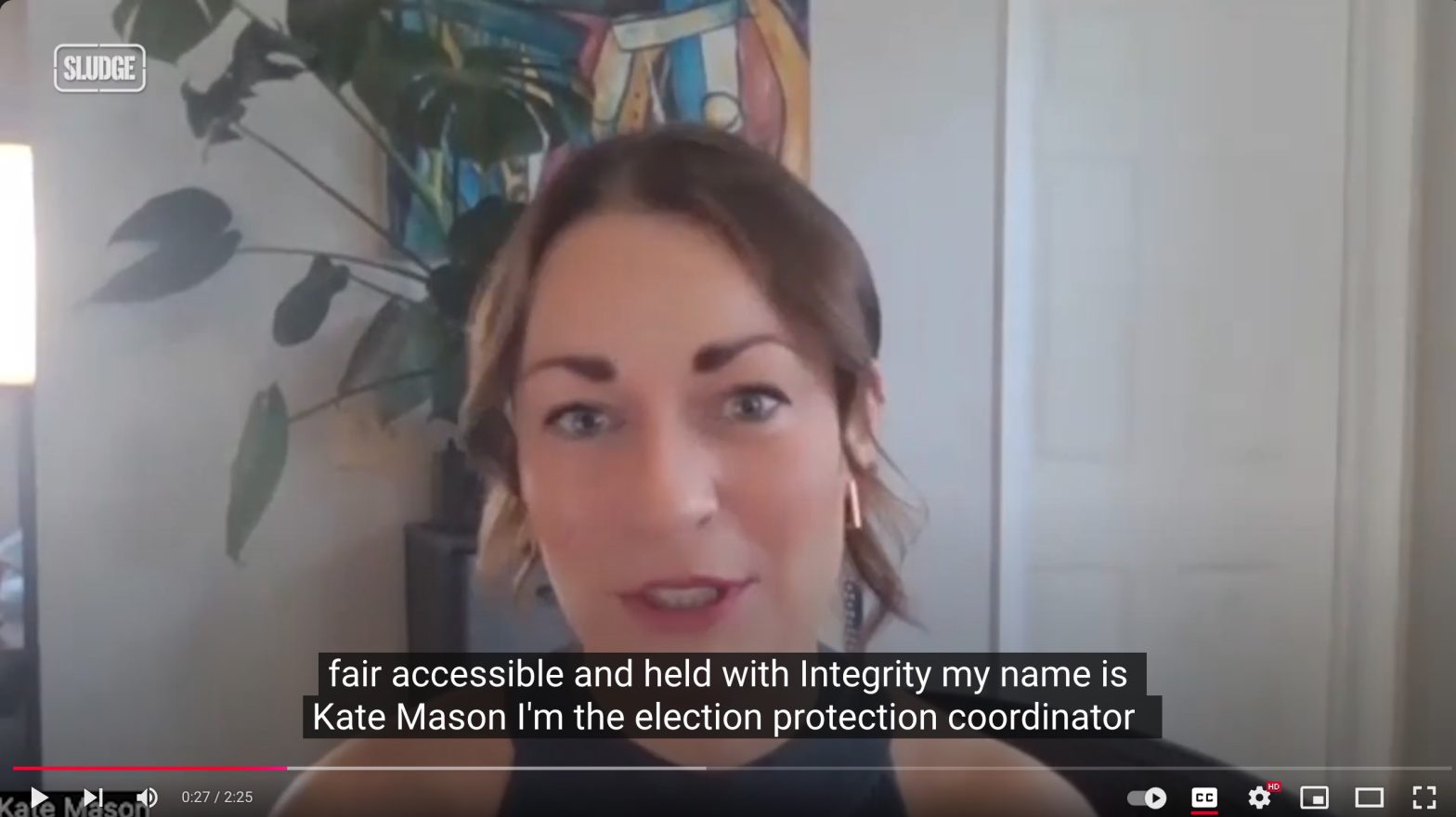
How Civic Engagement and Election Protection Keep Our Voices Heard
Election protection is one of the most important aspects of maintaining a democracy. However, it can’t be done if people aren’t civically engaged.
{{brizy_dc_image_alt entityId=
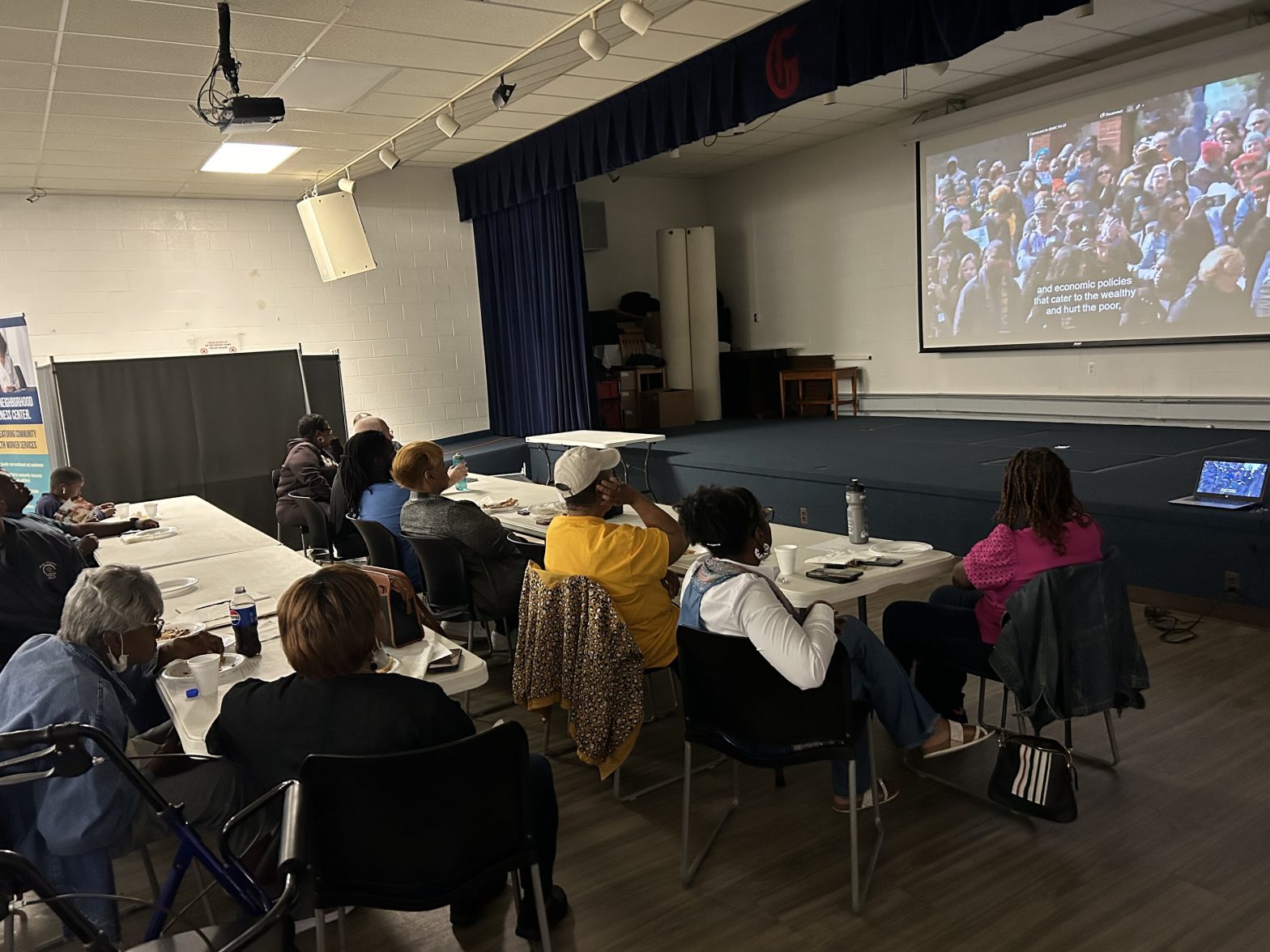
Examining the hate trying to divide us at a ”Bad Faith” movie screening in Westland
{{brizy_dc_image_alt entityId=
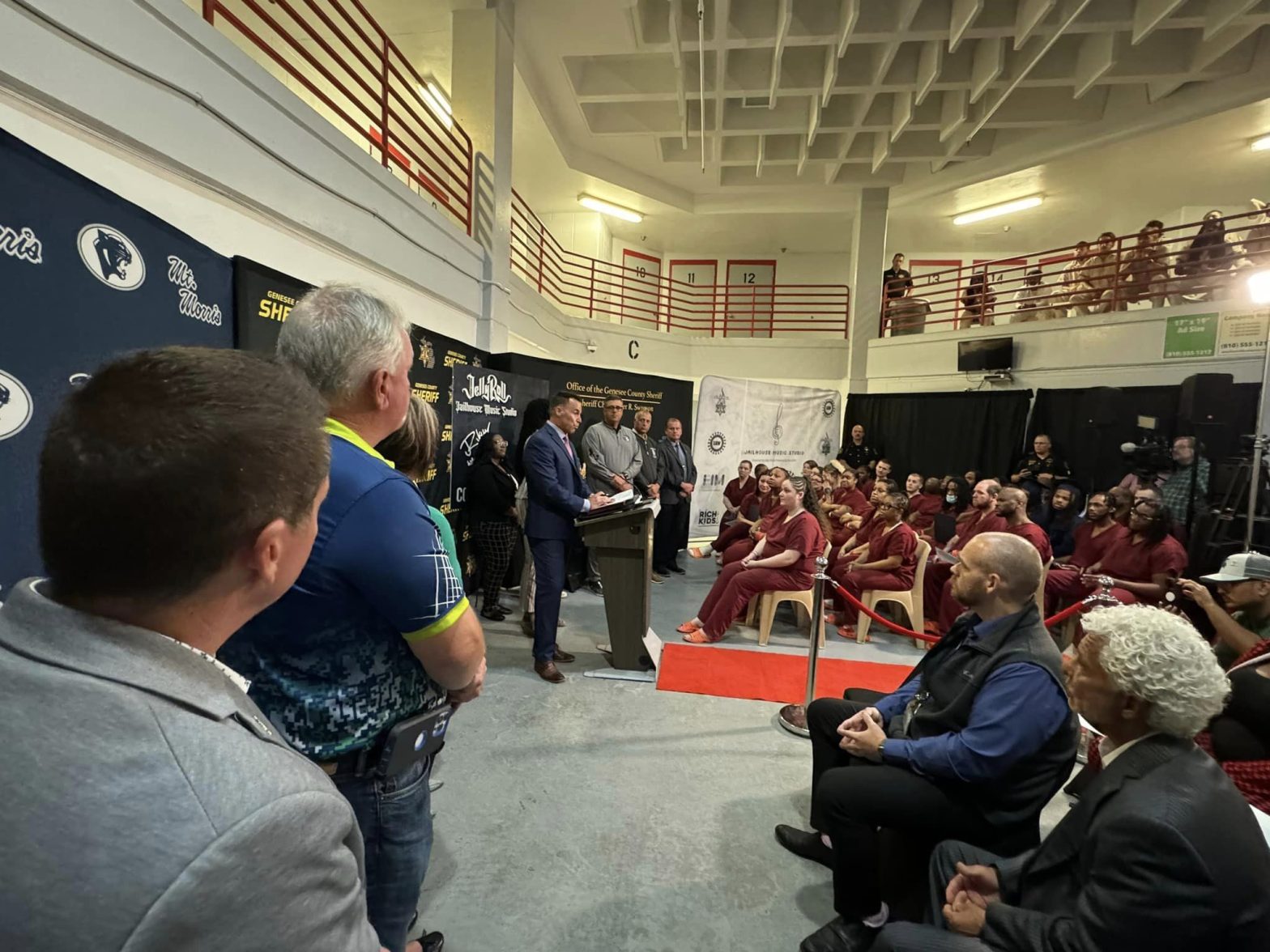
Governor Whitmer and Michigan United Celebrate the IGNITE Program Class of 2024
Transformative justice continues for the graduates of a successful inmate education and training program
{{brizy_dc_image_alt entityId=
Join a study on the impact of pollution on your health
The data collected from participants will help inform public policies and regulations, ultimately improving the safety of our communities.
{{brizy_dc_image_alt entityId=
Join us on 10/5 for a Detroit School Board candidate forum
We're excited to join forces with 482Forward and MEJC for the Play and Annual School Board Candidate Forum.
{{brizy_dc_image_alt entityId=
We were in Detroit on 9/18, standing against a DTE rate hike
We were in Detroit on 9/18 lobbying our utility regulator to deny a DTE rate increase.
{{brizy_dc_image_alt entityId=
Understanding and addressing Michigan’s struggle for reliable, affordable electricity
Currently, Michiganders pay the highest electric rates for the second worst power outages in the Midwest.
{{brizy_dc_image_alt entityId=
The Project 3.5 Message Update, Week of 7.15
A timely update on media strategy for members, community activists and leaders.
{{brizy_dc_image_alt entityId=
Ten Questions about Taking Back Our Power
The Taking Back Our Power bill is campaign finance reform that will take money and influence out of Michigan politics.