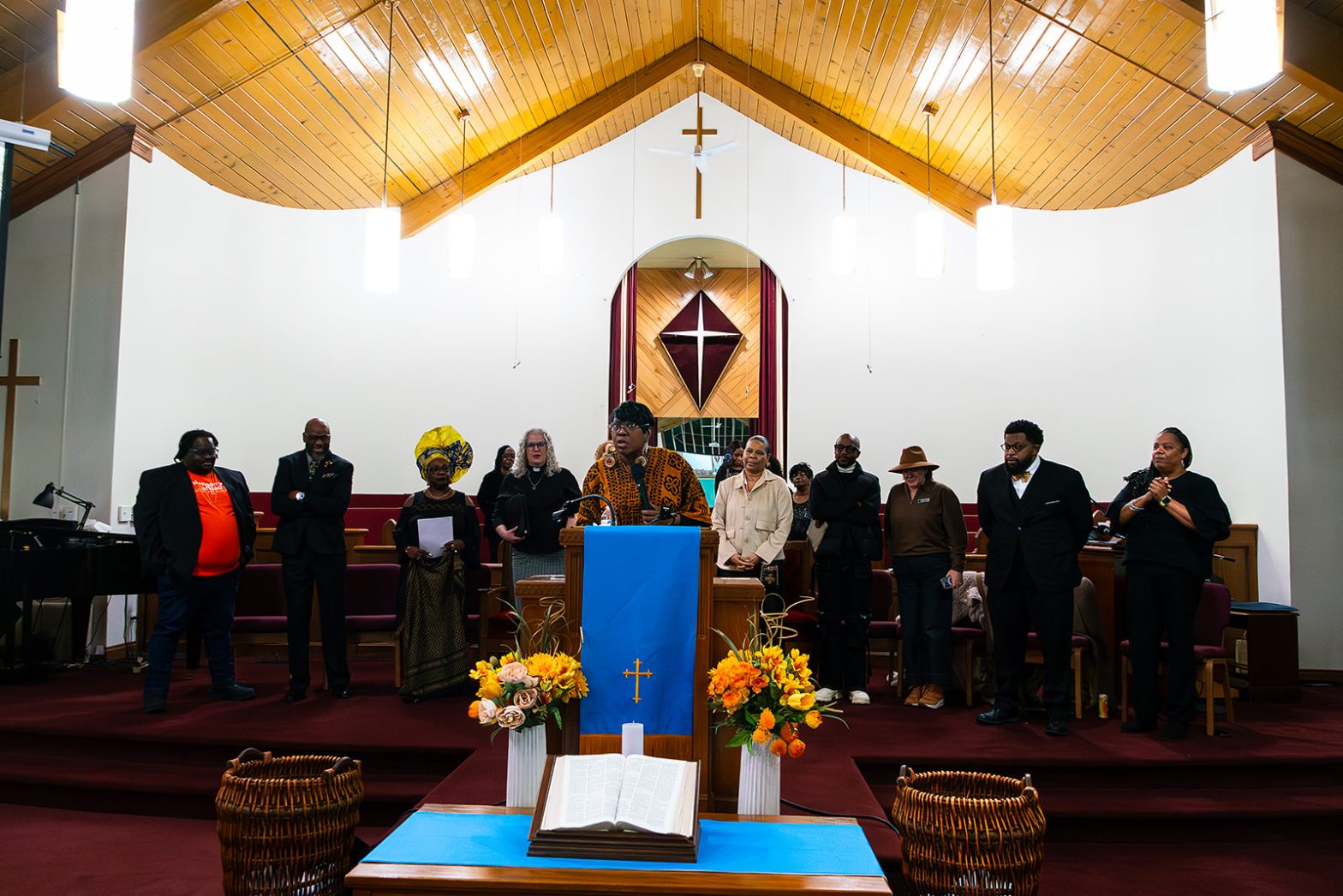

Dr. King’s Legacy in Our Time: Building Stronger Communities Through Civic Engagement
Each January, the nation observes Martin Luther King Jr. Day, and every February, we celebrate Black History Month. This gives Americans plenty of time to reflect on racial equality and other forms of justice as we go about life in a nation that pledges to be “indivisible, with liberty and justice for all.”
Given the fiery partisan trenches that now define not just our political climate, but almost every aspect of our daily lives, celebrating Black History Month and Dr. King’s legacy requires more than just observing an occasion. It means acting boldly, peacefully, and intentionally. Now more than ever, the legacy of Dr. Martin Luther King Jr. is a vital cornerstone not only of justice and community action, but American democracy itself.
His vision was never meant for a single holiday or month. It was designed to guide us every day, especially now, as democratic norms face extreme strain and communities seek equitable pathways to unity and prosperity. This article explores how civic involvement, collaboration across diverse groups, and the empowerment of young people to exercise their rights can help us build a tomorrow aligned with Dr. King’s dream.
Why Martin Luther King Jr.’s Impact Is Vital Today
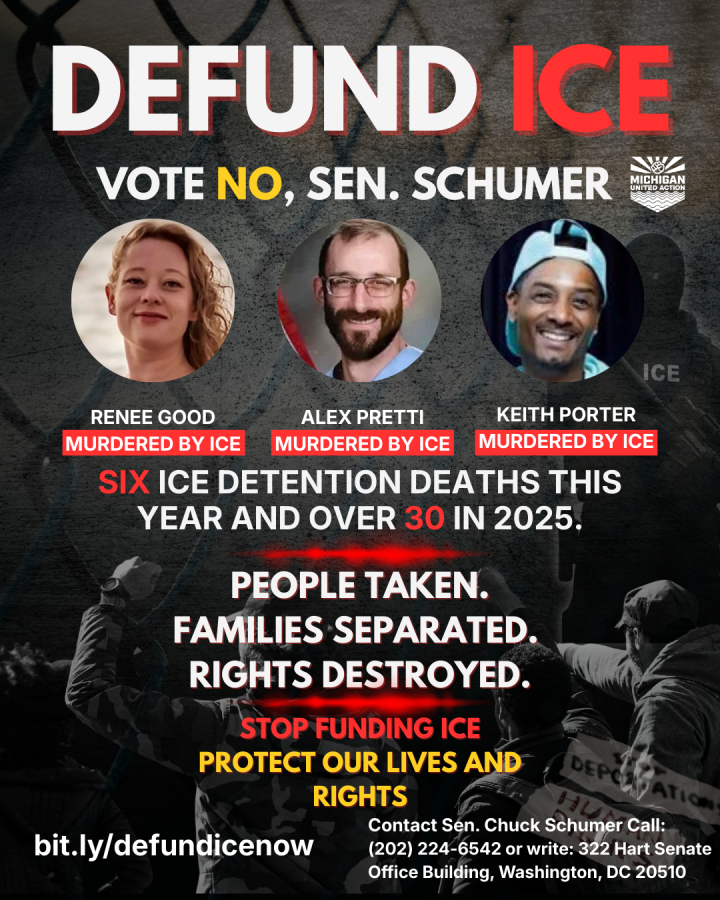
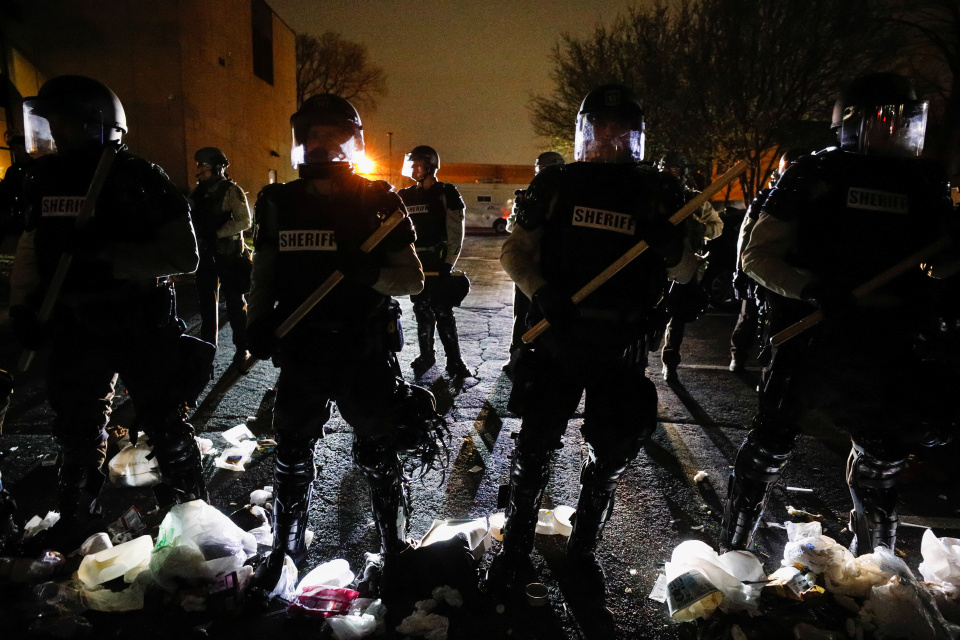
Dr. King’s philosophy of nonviolence centered on courage, truth, justice, equality, and community, creating a framework for peaceful civic action and democratic protection. In an age that has seen a violent insurrectionary attack on the US Capitol; the deployment or attempted deployment of the National Guard in Democratic-led cities for the express purpose of political retaliation; ICE raids conducted for political gain rather than homeland security; and targeted cuts to essential public welfare and environmental conservation programs; his teachings and work are a lifeline for rebuilding a stable democracy.
Most people remember Dr. King for his work promoting racial justice, but he also understood that racial injustice is tied to other forms of inequity and harm. Just a few lesser-known aspects of Dr. King’s intersectional vision for justice include:
- Economic security for all. King envisioned economic security as a fundamental right, asserting that true freedom requires access to decent work, a living wage, and economic opportunity. Recognizing that racial and financial inequity are intertwined, King organized the multiracial Poor People’s Campaign to demand a radical redistribution of economic power and a guaranteed “economic bill of rights.”
- Environmental justice. King’s advocacy extended to fighting environmental racism. He connected the fight for safe working conditions and fair housing with the fight against pollution and toxic exposure in marginalized communities, underscoring how environmental harm perpetuates racial and economic injustice.
- Civic participation as a moral responsibility. King believed that civic participation was not merely a personal choice, but a moral responsibility essential for a healthy democracy. He urged individuals to actively shape their communities through education, dialogue, allyship, collective action, and voting, viewing the ballot box as a powerful tool for achieving all forms of justice and equity.
Keeping Dr. King’s work alive means embracing justice in multiple forms, as all aspects of justice are interconnected. It also means not passively fearing for our democracy, but actively fighting to protect it by becoming more civically engaged — and working together.
How Collaboration Across Diverse Groups Strengthens Democracy
Achieving justice and safeguarding democracy requires more than isolated acts of goodwill. Changing legislation and public policy requires working together across differences, and it’s one of the most effective strategies for creating durable change.
Consensus and collaboration across diverse groups is essential for:
- Stronger community coalitions. Diverse groups bring multiple experiences and resources, allowing them to move beyond siloed strategies and achieve long-term systemic impact.
- Better problem-solving. Cross-identity groups can better address complex social problems and design more inclusive solutions.
- Increased trust and relationship-building. Collaborative, community-based efforts help build trust across different demographics, reducing division and strengthening civic engagement.
- More authentic civic participation. Civil society thrives when communities practice inclusive engagement and respect the lived experiences of diverse groups.
These partnerships reflect Dr. King’s commitment to multifaith, multirace, and multicultural coalitions working together for justice and democracy.
Why the Future of Democracy Hinges on Civically Engaged Young People
Young people can play a powerful role in shaping democracy, community well-being, and long-term social change. Yet according to a recent survey, fewer than one in four US youth in 2024 felt they belonged to a politically expressive group, and youth voter participation dropped to 42% in the 2024 presidential election, with more than a third reporting that voting was not important to them.
If political and civic apathy among younger generations remains unaddressed, the stark truth about our republic is that we will not, per Benjamin Franklin’s famous quote, be able to keep it. Engaging youth in positive change is not only beneficial — it’s necessary.
How Civic Engagement Benefits Young People
Here are just a few incentives for youth engagement in civic efforts:
- Improved well-being and mental health. Civic engagement creates connection, purpose, and belonging, all of which support mental health and help young people to care more about what happens in society.
- Leadership and life skills. Participation in efforts that benefit their community strengthens young Americans’ problem-solving, communication, and collaboration skills — which are also paramount for professional success.
- Enhanced personal and community success. Youth civic engagement helps teens and adults better understand the issues that impact their lives, how to address them, and their role in achieving positive change. This gives them more agency in their own lives, improving not just academic, financial, professional, or social success, but also wider civic success. Greater empowerment across younger demographics ultimately promotes a future with healthier and more resilient communities.
Why Youth Political Engagement Matters for Democracy
Young civic leaders strengthen democratic processes by:
- Making public decisions more equitable and representative
- Increasing transparency and accountability in political systems
- Building lifelong civic habits that strengthen communities, local economies, and democracy itself
The Power of Grassroots Organizing
Social justice and community-organizing nonprofits across the country want to teach young people that their voices matter. For example, Michigan United highlights that youth civic engagement can empower the rising generation of voters by:
- Ensuring community voices are heard during times of democratic threat
- Strengthening neighborhood-based decision-making and long-term community power
- Helping young people recognize their ability to create positive change
Dr. King taught that meaningful change begins with everyday people working together for the common good. Michigan United makes it easy for Michiganders statewide to make a difference in multiple arenas of justice through membership or donations.
Today, honoring Martin Luther King Jr.’s legacy means showing up for one another, collaborating across differences, and empowering the next generation to lead us toward a more just and prosperous future.
Honor Dr. King’s Legacy and Protect Democracy With Michigan United
Michigan United is a broad, statewide coalition working to reform our broken health care and immigration systems, protect our environment, end mass incarceration, and make essential services accessible to all. To build that kind of power, we need to organize 3.5% of the state’s population, starting with you.
We’re at a critical moment in our nation’s history as we prepare to confront the troubling realities of the current White House administration. Working families are under attack — from Lansing to DC — and we’re fighting back. If you’re wondering what you can do, Michigan United is here for you. We have campaigns in place to protect Michiganders from all forms of injustice, which means you can make a difference in all the areas that matter to you, right here, all in one place.
As a member of Project 3.5, you’ll gain the listening, communication, and planning skills to become an effective advocate for the people in your neighborhood. This is your chance to become the leader you've always wanted to see. Join us in our quest to create a more just and inclusive society for all.
You can do this in whichever way works best for you. You can also join us as a Michigan United member or donate today!
Keep the Dream Alive
Recent News & Media
- All
- AI Regulation in Michgian
- Michigan United in action
- Movement Politics
- Statewide
- Michiganders for Money Out of Politics (MMOP)
- News & Media
- Flint
- Healthcare
- Election Protection
- Immigration
- Detroit
- Michigan United in the news
- News from Michigan United
- Northern Michigan